The Critical Role of Safe Logistics in Battery Recycling

08 August, 2025
A sharp rise in India’s transition towards efficient electrification is underway, demarcated by the strong demand for lithium-ion batteries. Projected to reach 115 GWh by 2030, the need for battery-active materials is also expected to touch 250 kilotonnes in the same period. As our recycling ecosystem scales to meet this demand, thousands of used and end-of-life batteries are already in motion across highways, warehouses, and cities.
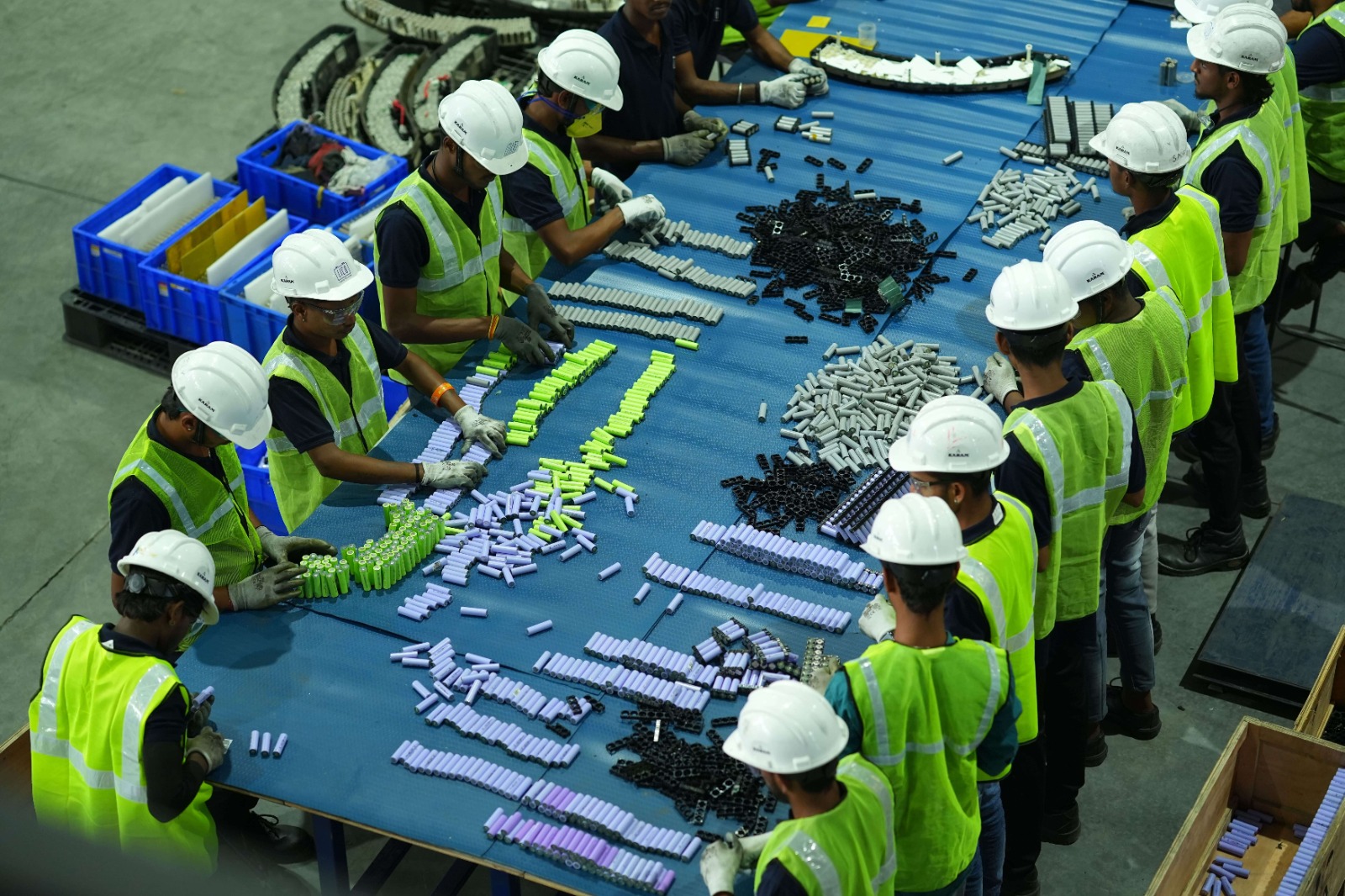
But this growing movement brings mounting safety risks as materials such as lithium-ion batteries with their high residual charge are highly flammable. While passing through collection centers, testing facilities, dismantling units, and finally, to recycling and second-life application sites, even minor mishandling during the transit can trigger thermal runaway, resulting in fires or leaks. In India, where reverse logistics networks are still evolving with uniform safety standards still in the making, mitigating these risks is especially acute.
Why Safety in Transport Matters
By the time EV batteries lose 20–30% efficiency, they can no longer serve vehicles adequately. Yet, as WRI India notes, the remaining 70–80% energy capacity makes them vital for second-life applications such as stationary energy storage. After dismantling, cells and modules can behave differently; overheating, contamination, short circuits, or physical shocks during transit can cause serious incidents. If mishandled, logistics can undermine the very promise of recycling.
Building Safety Through Technology and Best Practices
Some solutions are already in place - Battery Management System (BMS) data allows recyclers to identify high-risk batteries early, ensuring unstable packs are handled separately. Design advances like compression pads, aerogels, and encapsulating foams, help limit fire spread and cell swelling. On the logistics side, responsible recyclers are introducing global best practices in battery packing and secure transport.
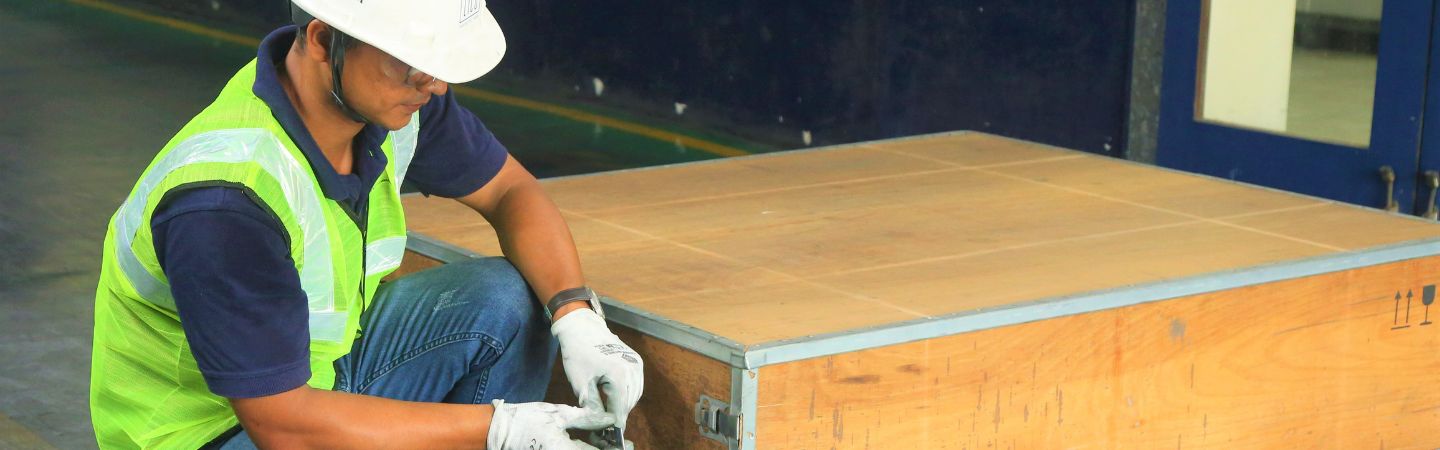
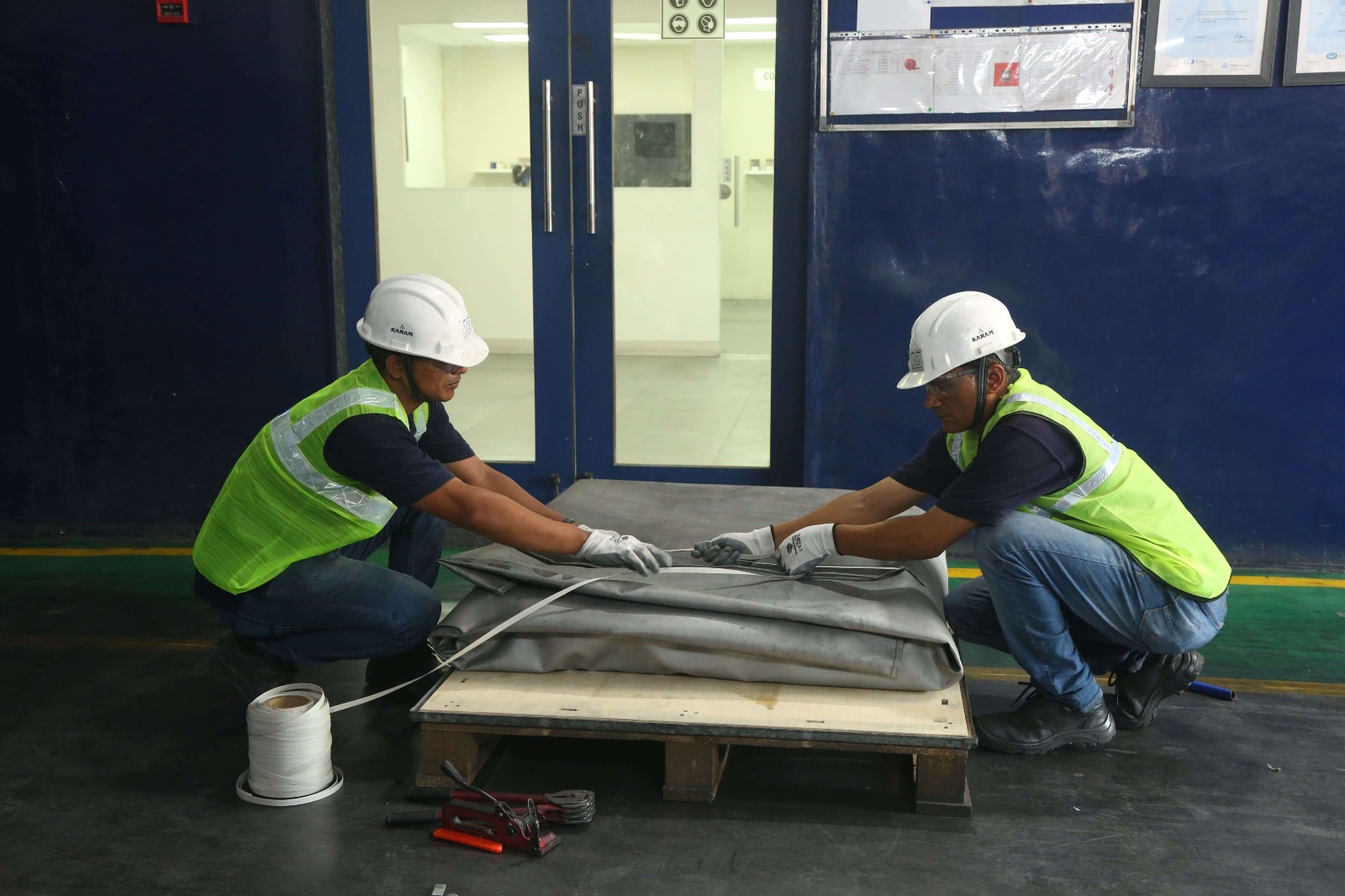
At LICO Materials Private Limited, teams ensure that battery packs are carefully separated and strapped with fire blankets to prevent contact during movement. Clear packaging guidelines, trained handlers, and documented chain of custody are vital in significantly reducing hazards while broader policy frameworks continue to mature.
Regulations are moving in the same direction to ensure safer transport of EV batteries. The Central Pollution Control Board (CPCB) is working on guidelines for secure storage and transportation. Automotive Industry Standards set strict safety and performance benchmarks for batteries across their entire lifecycle, including both first and second-life uses. Globally recognized frameworks, such as the United Nations Manual on Hazardous Materials Transport, provide vital protocols for proper classification, packaging, and labeling, critical to preventing accidents during transit. Together, these regulatory measures are building a foundation for safe, reliable, and compliant movement of batteries throughout India’s recycling ecosystem.
A Vision for Safer and Smarter Battery Recycling Ecosystem
Transport is one the riskiest and most expensive stages of recycling, as highlighted by the ICRIER report. To resolve this, recommendations for geospatial optimization seem visionary where strategically locating recycling facilities closer to EV population hubs can enable shorter travel distances for batteries, reducing both transit costs and risks. Combined with responsible collection at the user level and safer organizational practices, this top-down approach could be the way towards a recycling ecosystem where safety, efficiency, and sustainability strike a balance. India’s battery recycling market has the potential to become a $3.5 billion industry by 2030. However, scaling up will mean little unless safety is embedded in every step. As the backbone of reverse logistics, safe transportation must be treated as a priority. With stronger regulations, technological safeguards, and best practices in place, India can set global benchmarks in sustainable and safe EV battery recycling - while advancing confidently toward its ambitious energy goals.